A lot of people are drawn to conceptual portraits before they fully know how to describe them.
They’ll say things like, “I want something more artistic,” or “I don’t really want regular portraits,” or “I have a feeling I want to express, but I don’t know what that would look like yet.”
Honestly, that’s usually a very good place to start.
If you’ve ever looked at a portrait and felt like it held more than just a person’s face — more emotion, more atmosphere, more story — then you’ve probably already felt the difference between a standard portrait and a conceptual one.
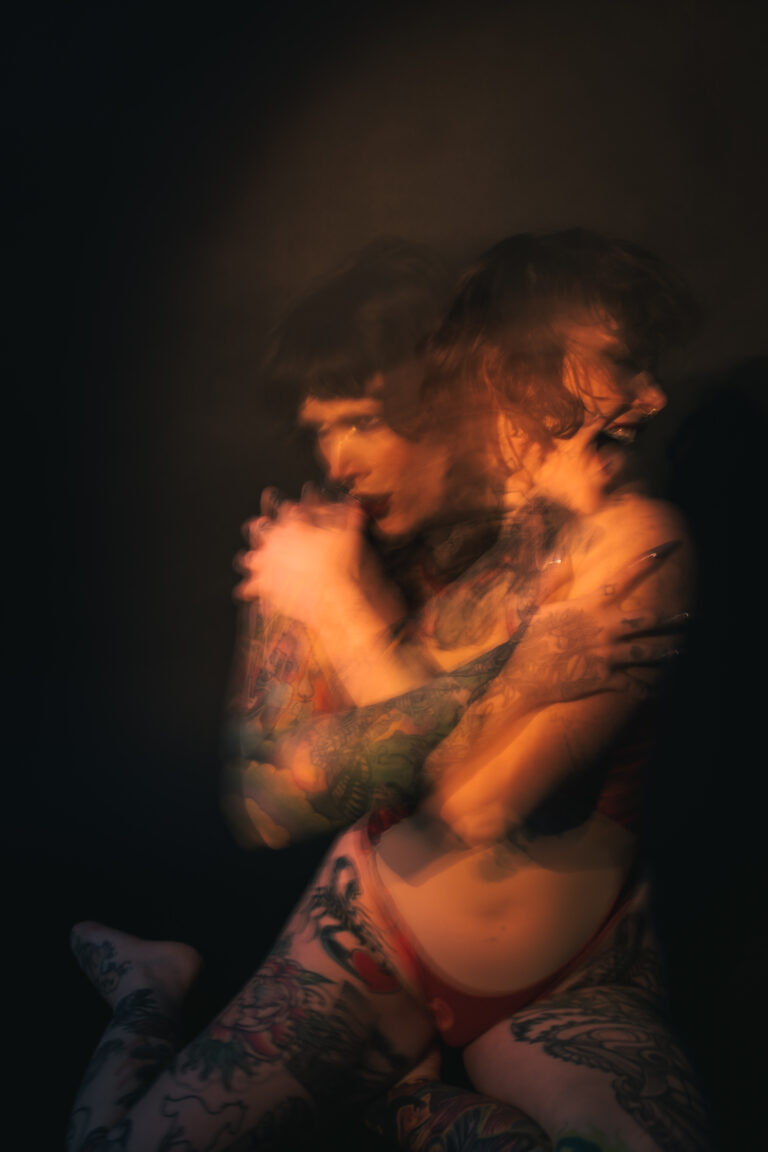
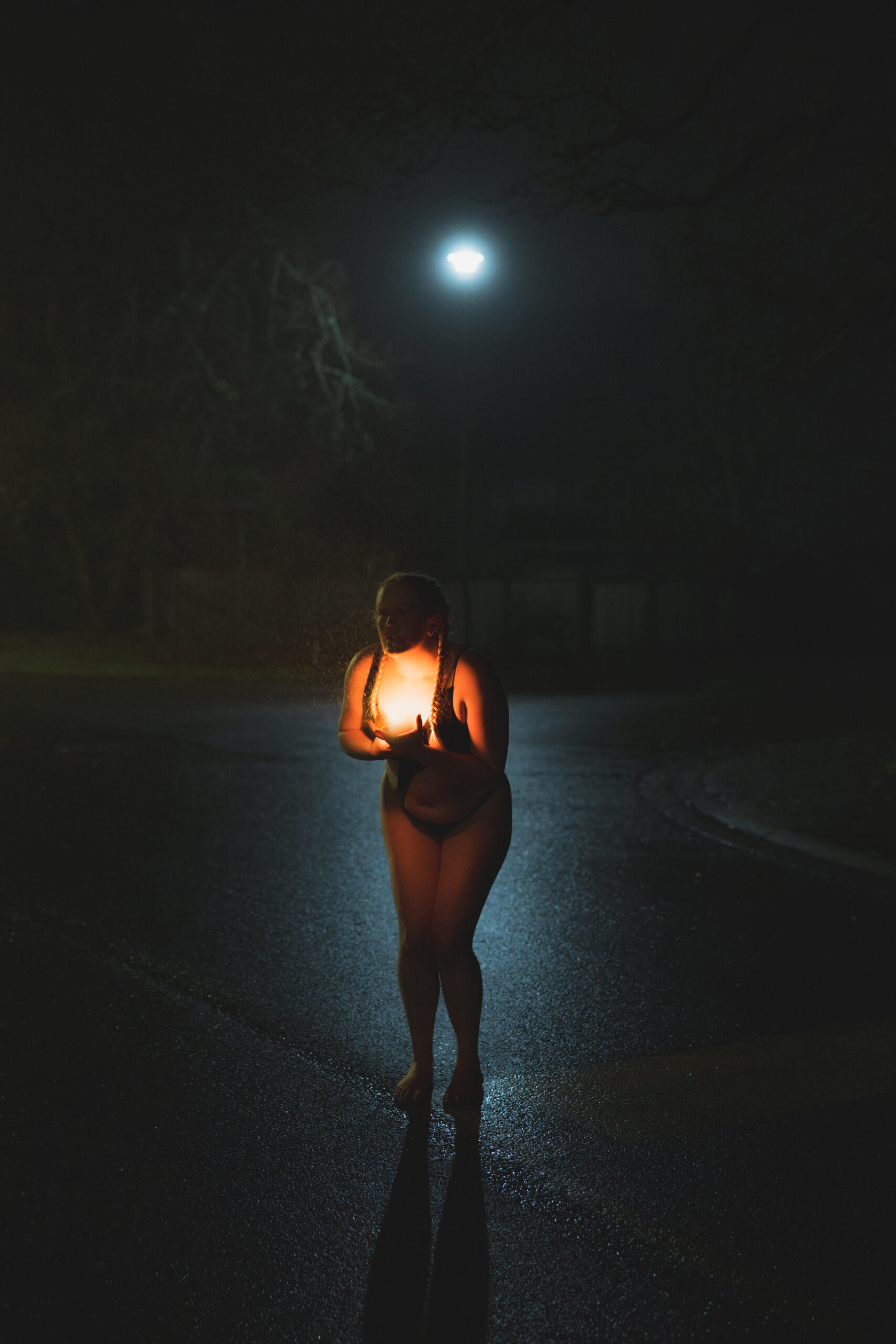
To me, a conceptual portrait is more than a photo of how you look. It’s a way of translating a feeling, story, transformation, or part of your identity into something visual. Sometimes that happens through movement. Sometimes through styling, symbolism, location, or mood. Most of the time, it’s a mix of all of those things.
So… what actually makes a portrait “conceptual”?
The biggest difference is that we’re not only asking, “How do you want to look?”
We’re also asking:
A regular portrait session might focus on documenting you beautifully. A conceptual portrait goes a step further. It uses visual choices — wardrobe, location, movement, props, light, color, even texture — to build meaning into the image.
That doesn’t mean every conceptual portrait has to be elaborate or theatrical. Sometimes the concept is very simple. It might be built around one emotion, one symbolic object, or one environment that carries the right feeling. Other times, it’s layered and cinematic. Both can be conceptual. The point is intention.
It’s not about looking “perfect”
This part matters to me a lot.
I think people sometimes assume conceptual photography is only for models, dancers, or people who are naturally dramatic in front of a camera. That’s really not true.
You do not need to show up already knowing how to pose.
You do not need to be a performer.
You do not need to have a Pinterest board with every detail figured out.
What you do need is a willingness to explore something a little deeper than a standard photoshoot.
Sometimes that’s an emotion. Sometimes it’s a season of life. Sometimes it’s a side of yourself you don’t usually get to see reflected back. And sometimes it’s just the feeling that you want something more personal and meaningful than “nice photos.”
That’s enough.
What kinds of things can a conceptual portrait be about?
Honestly, almost anything — as long as it means something to you.
Some concepts begin with a clear theme:
transformation
grief
softness
power
identity
rebirth
memory
motherhood
longing
freedom
Others begin more visually:
water
flowers
mirrors
red thread
earth
fabric
movement
low light
a specific color palette
a certain kind of landscape
And some begin with something harder to explain. A mood. A question. A pull toward a certain image or feeling that doesn’t fully make sense yet.
That happens more often than you’d think.
A lot of the time, the person booking doesn’t come to me with a polished idea. They come with something much more real: “I’m going through something and I want to create from it.” Or “I don’t know exactly what this is yet, but I know I want it to feel like this.”
That’s where the process gets interesting.
Do I need to have a full idea before booking?
No — not at all.
Some clients do come in with a very clear concept, and that can be great. But plenty of people don’t. They might only know:
That’s enough to begin a conversation.
Part of my job is helping shape that starting point into something visual. Sometimes that means refining an idea that’s already there. Other times it means helping build the concept from the ground up.
You don’t have to arrive with certainty. You just have to arrive with curiosity.
Is this only for dancers or artists?
Definitely not — although dancers and artists often feel naturally at home in conceptual work because they’re already comfortable with expression, movement, or symbolism.
But conceptual portraiture is not only for people who identify that way.
It’s also for:
someone marking a major life transition
someone exploring identity
someone wanting to reconnect with their body
someone processing grief or change
someone celebrating a version of themselves they’ve fought hard to become
someone who simply wants to create something meaningful
I work with dancers a lot, and movement is a big part of how I see. But movement doesn’t have to mean choreography. It can be as subtle as the way you hold your hands, the way your body softens into the environment, or the way emotion changes your posture.
The body always says something, even in stillness.
Why choose a conceptual portrait?
Because sometimes a standard portrait just isn’t enough.
Sometimes you don’t want to simply document how you looked at a certain point in time. You want to create something that feels like you — or maybe something that helps you see yourself differently.
That’s the part I love most about conceptual work.
A conceptual portrait can hold contradiction. It can be beautiful and heavy at the same time. Soft and powerful. Personal and cinematic. It can carry things that are difficult to explain in everyday language.
And for a lot of people, that’s the reason they book one.
Not because they need photos.
Because they need this kind of photo.
A final thought
If you’ve been curious about conceptual portraits but felt unsure whether your idea was “enough,” I hope this helps take some of that pressure off.
A conceptual portrait doesn’t need to start with a perfect vision. Sometimes it starts with a song, a season of life, a symbol, a shift in identity, or simply the feeling that you want something more than a nice photo of yourself.
That’s usually enough to begin.
And honestly, some of the most meaningful work starts exactly there.
“When inspiration doesn’t come, I go halfway to meet it.”