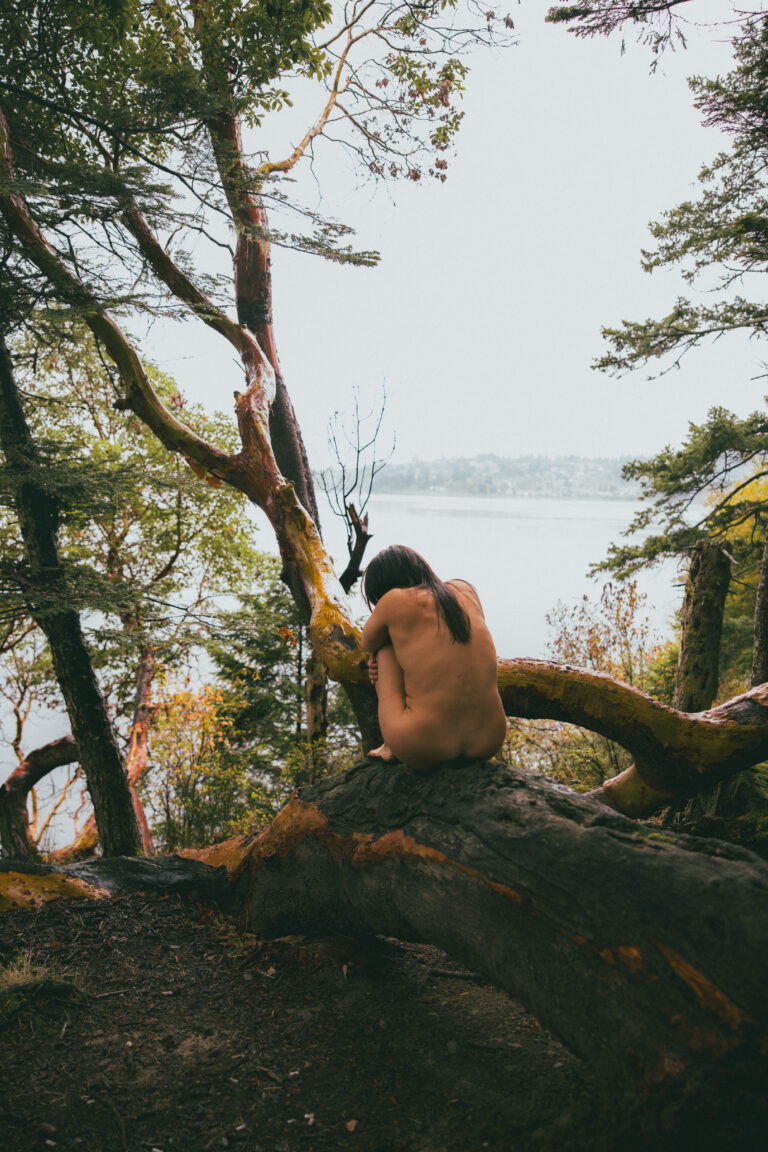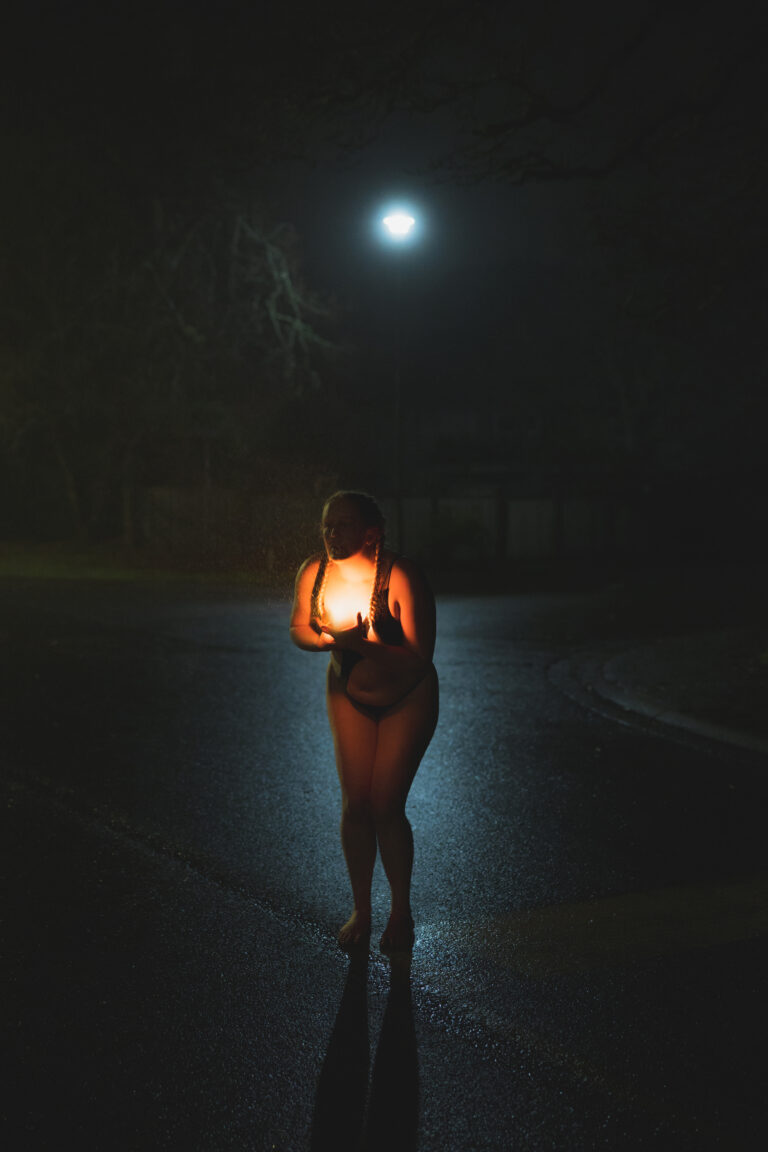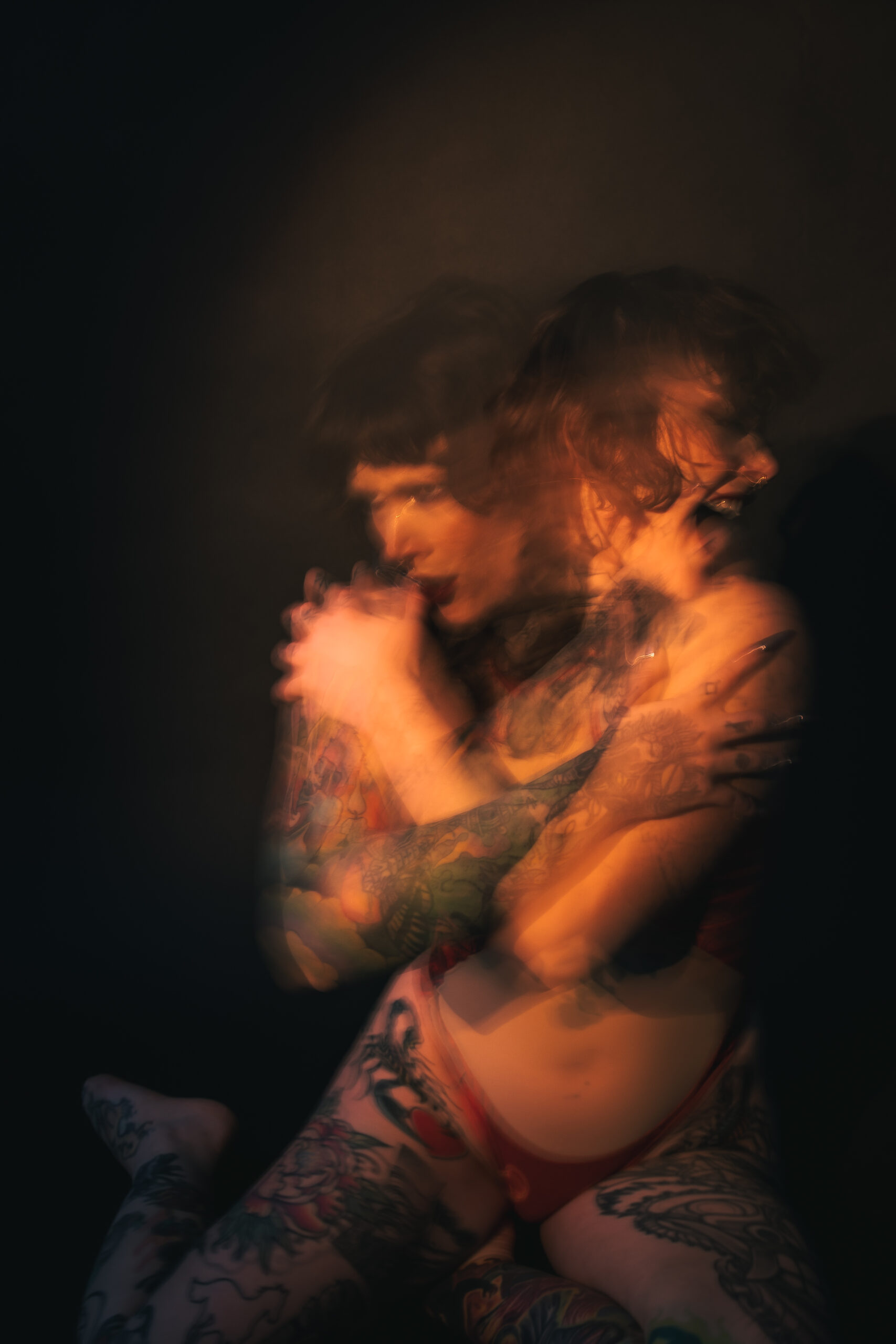
Have you ever looked at a portrait and felt like it was whispering a secret, tugging at a memory, or unravelling a feeling you didn’t know you had?
That’s the power of conceptual photography. Unlike traditional portraits that capture how someone looks, conceptual portraits aim to capture how someone feels, dreams, or even fights their inner demons. It’s where photography meets poetry, psychology, and storytelling.
If you’ve ever wondered how to start creating your own conceptual portraits, here’s a peek into the idea-crafting process from someone who lives and breathes this art.
1. Start With a Feeling, Not a Visual
Conceptual portraiture begins inside you.
Ask yourself:
It could be joy, rage, desire, guilt, longing, or even boredom. Instead of thinking, “What props should I use?” ask, “What feeling do I want to translate into an image?”
2. Use Metaphor as Your Compass
Think visually in metaphors. Ask yourself:
For example:
This is where your creative mind becomes a translator between worlds.
3. Draw From Literature, Mythology, and Dreams
Conceptual photography thrives when it borrows from other disciplines.
Re-read that Greek myth you loved in school. Think about the fairy tales that scared you as a child. Keep a dream journal. Let surrealism creep in. Often, the best concepts come from fragments of stories that already exist in our cultural subconscious.
4. Experiment With Constraints
Sometimes, limitations spark the best ideas.
Challenge yourself:
By narrowing your options, you’re forced to dig deeper creatively.
5. Collaborate With Your Muse
If you’re working with a model, don’t treat them like a canvas—treat them like a co-creator.
Ask them:
When both photographer and subject bring ideas to the table, magic happens.
6. Mood Boards Are Your Friends, Not Rules
Pinterest, saved Instagram folders, and even old movie stills can help you shape a concept. But remember—they’re there for inspiration, not imitation. Don’t be afraid to remix ideas. One moody lighting reference + one unexpected location idea + one emotional concept = your unique shoot.
7. Allow It to Be Messy
The creative process is not linear. You may start with an idea about heartbreak and end up with a photo series about rebirth. Let it evolve. Sometimes, the concept doesn’t make sense until after you’ve shot it. That’s okay. That’s art.
Final Thought:
Conceptual portraiture is a way to say what words can’t. It’s an invitation for others to see themselves in your vision, to feel something, to be moved. You don’t need fancy gear or a full team—you need honesty, curiosity, and the courage to tell the truth through images.
Are you ready to turn your feelings into art?
Let’s dream something bold together.
“Art is never finished, only abandoned.”